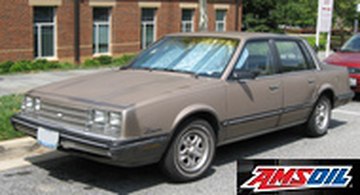
Maintaining Lubrication Integrity for the 1982 Chevrolet CELEBRITY 2.8L
Proper engine care for a vehicle of this era requires a focus on consistent monitoring and proactive inspection. For owners of a 1982 Chevrolet CELEBRITY equipped with the 2.8L engine, maintaining the lubrication system is a fundamental aspect of long-term mechanical health. Because older engines rely on the integrity of various seals and the cleanliness of the lubricant to operate efficiently, understanding how to monitor these systems can prevent unexpected issues.Monitoring Fluid Condition and Consumption
One of the most effective ways to gauge the health of an engine is to pay close attention to how it uses its fluids. While all internal combustion engines consume a negligible amount of oil over long periods, any noticeable change in consumption patterns warrants investigation. If you find that you are needing to add lubricant more frequently than usual, this can be associated with several different factors, ranging from aging seals to changes in operating temperature. Beyond just the quantity of fluid, the appearance and smell of the oil can provide useful clues. When performing a routine check, observe the color and texture of the lubricant on the dipstick. While oil naturally darkens over time due to use, an extremely thick or gritty consistency might indicate that service intervals have been exceeded or that there is significant contamination present. Additionally, if the oil has a strong odor of fuel, it may suggest that combustion byproducts are entering the crankcase, which can affect the lubricant's ability to protect engine components.Observing Potential Warning Signs
Identifying issues early can save significant time and effort during repairs. When operating your 1982 Chevrolet CELEBRITY, remain alert to any new or unusual sensations. For instance, a sudden change in how the engine sounds—such as increased mechanical noise—can sometimes be linked to insufficient lubrication or changes in oil viscosity. Visual cues are also vital. If you notice fluid pooling on the ground beneath the vehicle or see dark staining around the engine block, it is important to investigate the source. Such signs may indicate that a gasket or seal is no longer providing an effective barrier. It is also helpful to monitor the dashboard for any warning indicators related to the lubrication system. If a warning light illuminates, it should be treated as a priority for immediate inspection, as it often indicates that the system is not operating within its intended parameters.Systematic Inspection of Engine Components
A proactive approach to maintenance involves looking beyond just the oil itself and examining the components that support the engine's operation. During routine service, it is beneficial to perform a visual sweep of the engine compartment. If equipped, inspect accessible drive belts for any signs of wear, such as cracking, fraying, or glazing. Similarly, if the vehicle is equipped with various rubber hoses, check them for signs of softening, swelling, or brittleness. While these components are not part of the lubrication system itself, their condition is essential for maintaining the overall environment in which the engine operates. Furthermore, inspecting electrical connections and wiring can prevent secondary issues. Corroded or loose connectors can sometimes lead to erratic sensor readings, which might provide false information regarding the engine's status. By combining fluid checks with a general inspection of these peripheral components, you establish a more complete picture of the vehicle's mechanical condition.Prioritizing Maintenance as the Vehicle Ages
As vehicles move through higher mileage cycles, maintenance priorities often shift from simple part replacement to condition-based monitoring. For an owner of a 1982 Chevrolet CELEBRITY, this means using the actual state of the engine to guide service decisions rather than relying solely on the age of the vehicle. If you do not have a complete history of previous repairs and fluid changes, your first priority should be establishing a maintenance baseline. This involves documenting current fluid levels, noting any existing leaks, and recording the results of initial inspections. Once this baseline is set, you can more easily identify when a change occurs—such as a new leak appearing or a change in how often the oil needs to be topped off. Reviewing available service records is also highly beneficial. Knowing when the last filter was changed or when major components were last inspected allows for a more organized approach to preventive maintenance. This structured method helps distinguish between necessary repairs and unnecessary parts replacement, ensuring that resources are directed toward the most impactful maintenance tasks.Effective Record Keeping for Long-Term Ownership
Maintaining a detailed log of all service performed on your 2.8L engine is one of the most practical steps an owner can take. A well-kept record should include the dates of service, the types of lubricants used, and any observations made during inspections. Keeping these records serves several purposes. First, it provides a clear history that can be useful if you ever need to consult a professional technician; they can quickly see what has been addressed and what might still require attention. Second, it helps you track the frequency of maintenance tasks, making it easier to stay ahead of scheduled service. Finally, having a documented history of consistent care can be an important factor in maintaining the overall value and mechanical transparency of the vehicle over time.Practical Guidance for Buying Engine Oil for your 1982 Chevrolet CELEBRITY 2.8L
When it is time to replenish or change your lubricant, the most important step is to ensure that the product you select matches the specific requirements of your engine. To ensure proper protection and performance, match the engine oil to the application-specific viscosity information already displayed on this page. Before making a purchase, always check the product labeling to verify that the oil meets the appropriate quality standards for your needs. Depending on your specific maintenance goals, you may encounter various formulations:- Conventional oils are standard lubricants used for many applications.
- Synthetic blends combine conventional and synthetic oils to offer different performance characteristics.
- Full synthetic oils are engineered for high thermal stability and resistance to breakdown.
- High-mileage formulations may contain additives intended for use in aging engines, including seal-conditioning additives.